Prioritize User Needs: Why Empathy Wins Over Speed in Product Design
Prioritize User Needs: Why Empathy Wins Over Speed in Product Design


From Ship-Feature-Fast to Slow-Down-and-Listen
I’m deep in the agent-building trenches these days, and the speed still shocks me. A few months back, spinning up a new feature might eat a week. Now, with these new AI stacks, I can get a working version live in minutes. Sometimes I sit there, watching code unspool, still not convinced it’s actually possible—it’s that fast.
But here’s the twist. While the shipping is instant, actually making a feature usable isn’t. I spend days chipping away at edge cases, wording, and workflows. The technology isn’t holding me back anymore. The real blocker is learning how to prioritize user needs and figuring out what users even want.
Take a button, for example. The AI knows how to build a button that fires off the fancy process behind the scenes. That part is never the problem. But what happens when that process fails—does the user even know why, or do they just see a spinner forever? Or think of error messages: AI can dump a stack trace, but only a human will notice if it makes people feel stupid instead of helped. No amount of prompting AI for “best practices” answers these questions. There’s always an awkward spot where intuition and empathy are required. AI can lay the bricks, but only we know if we’re building the right wall.
AI and user experience have fundamentally changed my perspective on my job: I started out worrying who AI might replace. Now I’m asking: what should I be doing differently? That anxiety has shifted. It’s not about keeping up with the tech, but about adding the pieces the tech can’t reach.
The New Bottleneck: Prioritize User Needs Over Shipping
Shipping is easy. Understanding what users need is hard. If you’re building with modern AI tools, you’ve probably noticed how fast “done” comes now. The technical hurdles are mostly solved, or at least gamified into prompt tweaks and a handful of config lines. But then the hard slowdown arrives: deciding which feature is actually useful, and more importantly, making it feel right in someone else’s hands. I can crank out automated flows in an afternoon, but knowing how those flows land on the other side of the screen? That’s where I find myself staring at Figma or feedback notes far longer than any deployment log.
You see the pain everywhere. Consultants racing to meet specs, founders rushing to market, even small business owners taking shortcuts with AI helpers—everyone ends up with something that technically works, but feels off. Maybe you recognize that numb drop after launch: the thing is live, but users just… don’t care, or worse, bounce out confused. No one wants to be on the wrong end of a polite “it’s fine” when you’ve put weeks into something.
Let me go off track for a second. One time, I bought a kitchen gadget as a birthday gift for a friend who barely cooks. I thought I nailed it—sleek, “innovative,” expensive. The look on his face when he unwrapped it told me everything. He smiled, but it was the kind of polite “oh wow, thank you?” that says, without words, “do you even know me?” That’s exactly how a misaligned feature lands: not offensive, just disconnected. You’ve missed the person for the product, and the message gets lost. The lesson burns—you spent all that energy, but not on the thing that mattered.
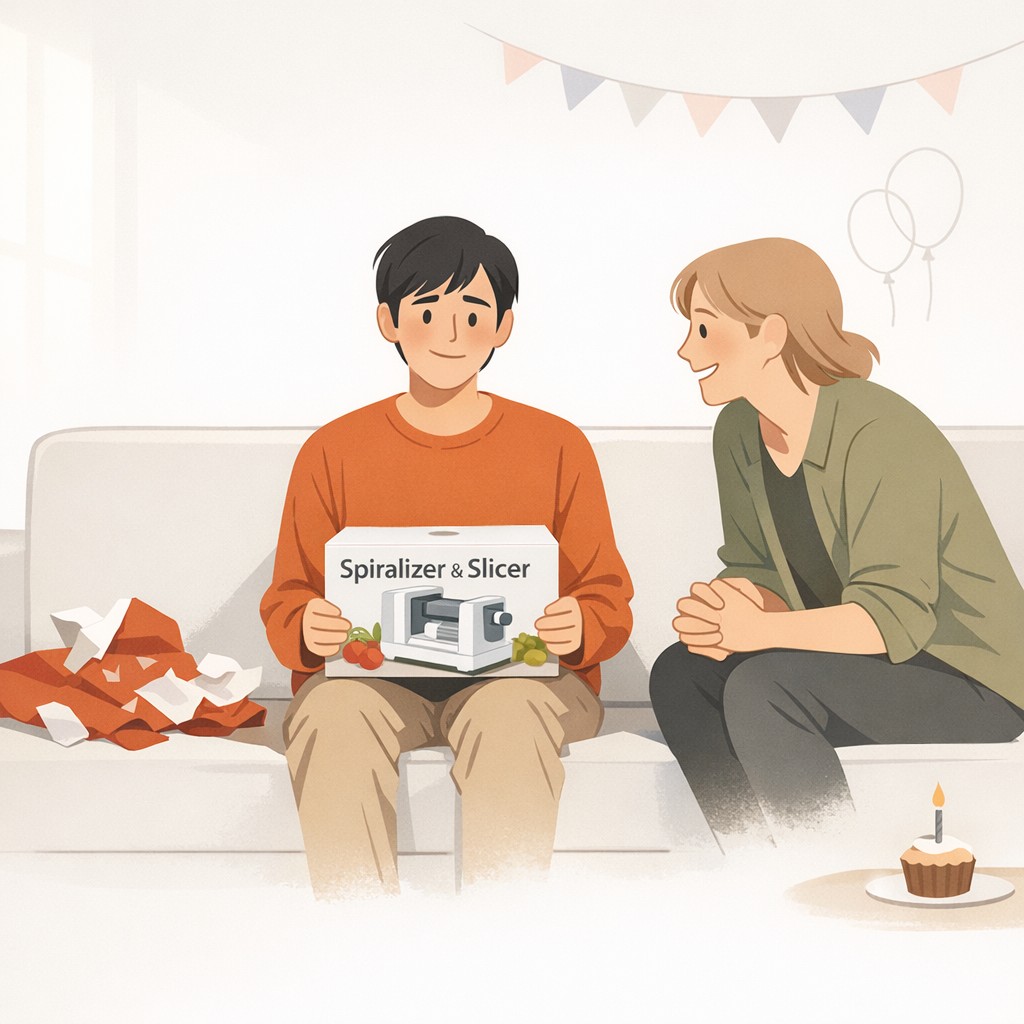
So, products don’t fail for lack of features anymore—they fail because they lack nuance, empathy, and understanding. AI handles the “what.” Humans handle the “what if.” And the “what if” is where the product actually lives. That’s the part you can’t automate away—and you shouldn’t want to.
When “Move Fast” Breaks the Trust
Speed without judgment just creates bad experiences faster. The efficiency we’ve gained from modern AI means our mistakes ship instantly, and users feel those glitches in real time. In other words, the higher the velocity, the bigger the splash when we miss.
I still get a pit in my stomach thinking about the last time an auto-payment feature failed. The transaction flopped and, instead of a helpful prompt or a way to retry, the user landed on a blank screen. No error message, no refund trigger, not even a “report an issue” button—just confusion.
The system had all the backend brains. It could spot a failed API call, flag an exception, even spit out a technical log. But it didn’t offer a human moment of clarity, or any way for the user to recover. You realize fast: AI can automate everything except trust. There’s always a moment where product logic meets real life, and if empathy isn’t built in—if you forget to guide, inform, acknowledge, or comfort—the experience goes sideways, and no amount of technical cleverness can fix that after the fact.
The pressure to ship never really goes away. I feel it every sprint. Client pings, competitors announcing “launches,” the steady drumbeat of “just get it out.” If you’re wondering whether I’ve rushed features and regretted it, the answer is absolutely yes. I’ve pushed live quick wins that ended up costing days in cleanup and user support.
But here’s the reframing that changed my headspace (and my product outcomes). Spending time on UX and customer research isn’t a slowdown. It’s an investment in work that keeps paying you back. Building space for discovery and iteration might feel risky when everyone else is sprinting. But this is where lasting differentiation actually comes from. You can always ship features faster, but you only earn user trust—and that “they actually get me” feeling—by understanding and addressing the details AI can’t see. If you want results that last, invest where your competitors still hesitate: listening and iterating with real users. That’s where progress gets sticky, and where trust starts to scale.
Turning Automation into User Insight
Here’s the path nobody talks about enough. Every minute shaved off by AI-powered shipping is a chance to dig deeper into what your customers actually want, not just crank out the next shiny feature. It’s wild how quickly you get used to pushing releases out without bottlenecks. Suddenly, there’s white space in your process where friction used to live. The trick is choosing to fill that space with learning, not just more code.
When product teams bake user research deep into their process, they report gains from usability (83%) and satisfaction (63%) to retention, market fit, and even 3.6x more active users Maze. Faster shipping frees up time to solve real user problems. That’s the move that makes AI a multiplier instead of a race to the bottom.
Take that new slack in your sprint and reinvest it wisely. Line up quick user interviews, throw rough ideas into usability tests before they’re pixel-perfect, or cycle feedback loops right into spec changes. These aren’t chores—they’re the new leverage points, converting all that technical momentum into actual business advantage through customer-driven innovation.
This wasn’t instinctive for me. Six months ago, I would’ve kept building until something “stuck.” But stepping back—asking, watching, tuning based on reality—made everything stronger. When Airbnb noticed 1.5 million weekly host-to-guest photo messages clarifying check-in, they built a tool directly shaped by these real user habits. That kind of feedback loop creates tools people don’t just use—they rely on. Swapping some build cycles for direct observation or fast tests led to products that didn’t just launch, but actually landed.
So if you’re still spending your new-found bandwidth racing feature for feature, let this be a nudge. The real win is out-listening, not out-building. If you actually want to stand out—and earn trust that sticks—you need to make this shift. The teams that prioritize user understanding now are going to own the next wave.
Bring Back the Human Edge
The bottleneck isn’t the technology anymore—it’s understanding what users actually need. That used to sound like a nice-to-have, but it’s the whole game now. Empathic product design means entering into an empathic relationship with users from the start, which gives builders the best shot at shaping products that actually meet real needs Frontiers in Human Dynamics. We’ve solved for speed. Now, empathy and real user insight are how you create things that people actually care about.
Looking back, the big wake-up wasn’t about shipping faster. It was realizing that speed alone doesn’t build trust or loyalty. I still remember losing sleep over launching “on time,” only to watch users trip over something obvious that I’d missed. What matters now is adapting to what people genuinely need, even if that means slowing down to listen.
So the choice is in front of you. You can take the efficiency wins and just churn out features, or you can invest those savings into real conversations and research—the hard, empathetic work that few teams actually do. I’ll be honest: the second path takes more attention and patience, but it’s the one that moves the needle.
Lean into this. Use your AI-driven speed to double down on understanding your users. That’s how you make work that actually sticks—work that stands apart in a world full of automation. This is your opportunity to build for real people, not just the release notes.
If you’ve got expertise and zero time to write, try Captain AI to generate an original article for free and see your unique perspective actually reflected in the content.
And honestly, the tension never fully goes away. I know I should slow down to listen, but sometimes I still rush ahead. Maybe that’s just how it works.
Enjoyed this post? For more insights on engineering leadership, mindful productivity, and navigating the modern workday, follow me on LinkedIn to stay inspired and join the conversation.