Authentic AI Content Creation: How Modular Workflows Unlock Trust and Speed
Authentic AI Content Creation: How Modular Workflows Unlock Trust and Speed


When AI Content Leaves You Anxious and Stuck
The last time I used an AI tool to help rewrite my resume, I spent most of the afternoon second-guessing it, then rewriting the AI’s rewriting, then staring at the clock. I was spending more time reviewing and worrying about my own resumes than it would’ve taken to write them.
This isn’t just an engineer thing. If you’re busy, every minute wasted untangling a pile of bland, awkward AI content stings. Especially when you start to wonder if you could’ve just said it better yourself. It’s manual edits on top of machine “help,” and suddenly the word “efficient” doesn’t mean much.
Authentic AI content creation depends on three things working together: accurate content, transparency about AI, and a trusted track record. But this rarely happens, and only 9% of cases hit all three, though authenticity outcomes are positive 82% of the time when they do.
We’re all tempted to just paste in a job description and pray the right words appear. Not the “paste a JD and pray” kind.
What actually works isn’t more AI. It’s changing how we work with it.
Why Typical AI Content Generation Misses the Mark
Standard AI tools don’t really “know” what you know. They scan the internet, mash up familiar text, and slot in what sounds right to them, because users lack ways to control AI writing in the process. When I fed my own credentials into one last year, of course it kept declaring me master of the tech-universe. I wish it stopped there. But it’s just filling gaps with whatever looks credible.
But because of that, you can never take the output at face value. I kept finding details I had to delete or double-check (“did I really log 130% growth in 2022?”) and that eats up the time these tools are supposed to save. A few rounds of hunting for inaccuracies and suddenly, it makes you question using AI in the first place.
Here’s the paradox. AI is supposed to make things faster, not create a new pile of edits. When I used it for resumes, work samples, even basic replies, I found myself stuck in new bottlenecks. Instead of hitting send, I was bouncing drafts back and forth between the AI and myself. Worrying what it might’ve exaggerated, or what nuance it missed. It’s that same “almost right, but not quite me” feeling, only now you’re spending twice the time trying to fix it.
The problem isn’t just limited to tech or resumes. Ever tried a “generate me a meal plan” tool and wound up with imaginary ingredients or recipes for ten? I still remember asking for a shopping list, and ending up with “asparagus foam” as a Tuesday staple. That’s what happens when generation means invention instead of reliable assembly. The pattern holds everywhere. Business content, event invites, outreach emails. The more the AI improvises, the more you need to step in, which defeats the promise of efficiency.
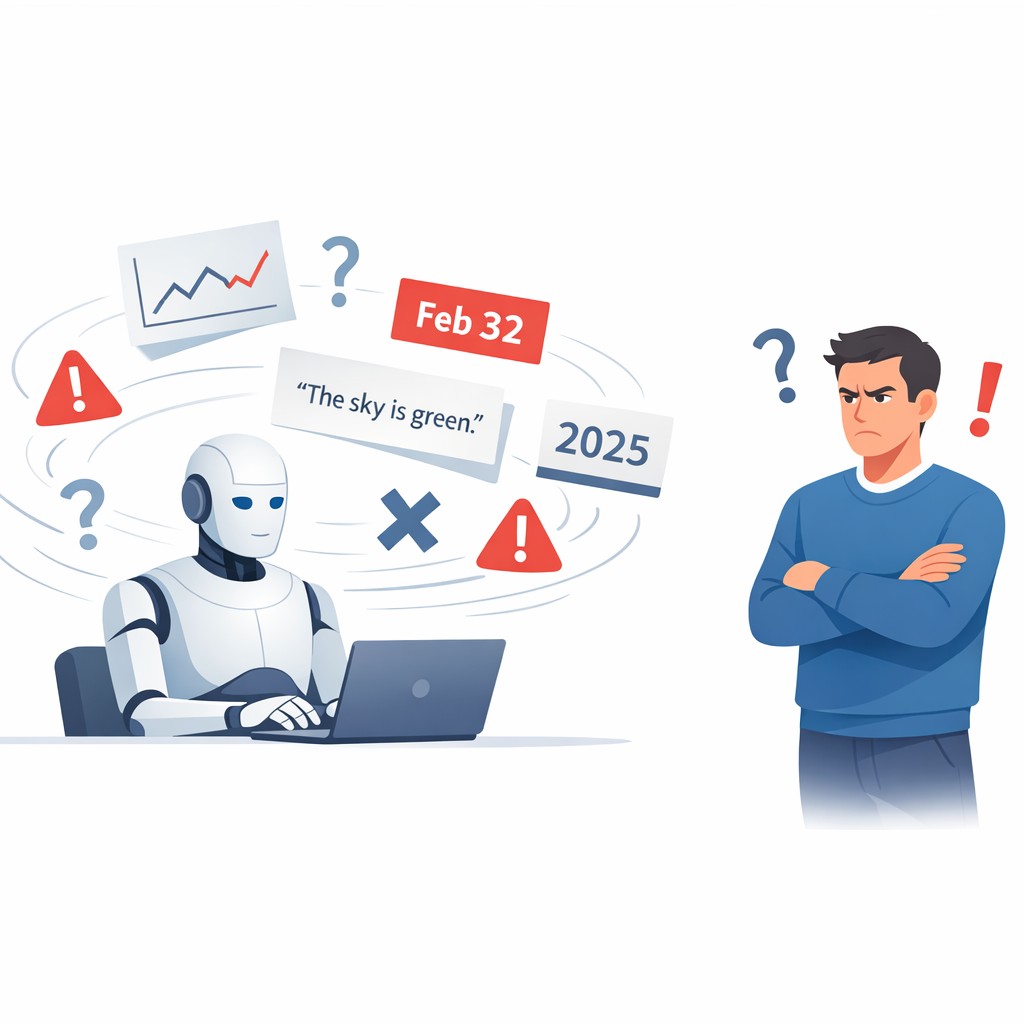
The answer is actually simple. Selection, not generation. The real leap is saving time by snapping together building blocks you already trust, instead of pretending the machine can just think for you.
How Pre-Approved Content Modules Restore Speed and Trust
A few months ago, I finally decided to break the endless rewrite cycle. I sat down and pre-wrote and pre-approved dozens of resume bullets, covering engineering, leadership, startup, and consulting experiences. It was tedious at first, but there was this weird sense that I’d finally be working from solid ground.
Now, instead of revising new text every time, I reach for these modules. Modular content means you don’t have to keep remaking the same info. Just select your pieces and connect them to spin up new pages fast (scalability of modular content). And it’s not just faster. You start to spot errors before they cascade.
I built a scraper to parse job postings from a URL for automated intake. With those job descriptions in hand, I could point an AI at my vetted list. It orchestrates new applications or bios using only bullets I’d already approved. Somehow, the system runs both automated and human-driven. Effective AI writing strategies mean the scraper grabs what matters, and the AI assembles the parts without improvising.That shift brought real relief. The tool finally stopped “helping” by inventing things I’d never done. Every output was anchored in content I trusted, so the anxiety about sending off inaccurate claims dropped away. When you see a clean, honest draft appear in seconds and know it’s actually yours, you start to remember why efficiency matters. Trust creeps back in, and the work gets lighter.
If you’re tired of chasing edits and worried about misrepresentation, try this modular approach. Your Move: Here’s how I started doing it differently. Steal what works for you. Build your vetted bullet library, automate the intake, and let AI assemble—not invent. It really can be simpler.
When AI Assembles, Not Invents: The Real Efficiency Shift
Letting AI act as an assembler—piecing together only the content you already trust—finally solves the “AI sounds off” problem we’ve all wrestled with. Since I switched over, the system runs in about 10 seconds per application. Less drama, less double-checking, just results you can stand behind.
The shift is most obvious when you look at what comes out. ATS-friendly resume formats, recruiter-tailored layouts, and crisp summary sections, all built from those pre-vetted bullets. Automated assembly actually cuts proposal creation down from hours to minutes and frees up teams to spend more time with clients, boosting win rates (automation real-world impact). Instead of slogging through edits or manual formatting, you get publish-ready versions in moments with zero “did I really do that?” anxiety.
Now, each resume includes an “Interview Me Now” button linking to askmyai.chat. Recruiters and hiring managers can dig in directly. Asking deeper questions, surfacing the truth behind the assembled resume, and getting context beyond what’s on the page.
If you’re raising an eyebrow at all the up-front work—yes, building that module library takes some grind. But after trying every shortcut, I’d trade a few hours of pre-approval for the dozens I used to lose to endless edits. The payoff is less worry, less busywork, and more consistency with each application.
This is only the start. The same modular building blocks fueling resumes can snap together for custom websites, client sales decks, or polished proposals—anything you want to ship faster without giving up quality. Next month, I’m tackling the whole client onboarding sequence. Once the foundation’s set, everything else is just assembly.
From Frustration to Clarity: Authentic AI Content Creation, One Module at a Time
If you want client-facing content you can stand behind, it has to sound like you and still move as quickly as you need. True, trustworthy communication comes when you shape your own content, then let AI rapidly assemble and personalize AI output from modules you’ve approved. That’s how you preserve your voice and expertise, not water them down.
You’re not stuck asking a single resume—blog post, case study, proposal—to do all the heavy lifting anymore. There’s no rule that content has to be a one-size-fits-all document. Start thinking modular. Mix, match, adapt—let every piece play its part, and you get output that’s both scalable and true to you.
Yes, the up-front work matters. But in the end, it’s the AI content authenticity that delivers speed you can trust and fewer regrets when you hit “send.” The consistency you build now means less stress later—especially with clients who expect your best, every time.
If you’re ready to see how modular content can actually save you time, you can generate your own article for free with Captain AI and start building your personal library today.
I was skeptical too, until the edits stopped eating up my evenings and the relief actually hit. Back in the meal plan era, I really thought AI would just get better if I threw more prompts at it, but turns out it needed better ingredients. It’s not about chasing the “perfect” prompt—it’s finding what works, dialing back anxiety, and making space for real progress instead of endless rewrites.
I still catch myself overthinking the setup sometimes. Maybe there’s a more elegant solution out there that I haven’t hit yet. For now, though, breaking the cycle with modules is enough. Maybe, like me, you’ll find the switch to modules is what finally breaks the cycle.
Enjoyed this post? For more insights on engineering leadership, mindful productivity, and navigating the modern workday, follow me on LinkedIn to stay inspired and join the conversation.