Build Technical Credibility with Engineers by Making the Scaffolding Visible
Build Technical Credibility with Engineers by Making the Scaffolding Visible


When Narrative Leaves Engineers Behind
Last week I walked into an Azure migration pitch expecting the story to carry the room. I was wrong.
I told them the tech would be the easy part, breezing past the details. You know that tone, let’s keep moving, it’ll all slot in. The problem is, that shortcut doesn’t land with engineers—and it didn’t, not even close.
I used to think my experience was enough to avoid these traps. It’s easy to lean on it and stay in executive mode. That day, I did exactly that. But in one moment, my experience blinded me.
I got lazy. Not with the architecture or launch planning, but with how I framed it—overreliant on confidence instead of the substance you need to build technical credibility with engineers. To engineers, that reads as waving your hands over the hard stuff instead of mapping the road.
Meanwhile, they were still sorting through dependencies and risks. Waiting on concrete answers about network configs, file share constraints, and what would break. When the story leans on vision but the audience needs system details, it’s an invitation for doubt. Those specifics are the scaffolding engineers build trust on. They want your lists, your boundary cases, your risk surface. Without those, credibility slips, and the real momentum stalls.
Trust at the Right Altitude
Here’s where I stumbled. I was pitching to engineers at 30,000 feet, selling possibility and vision, while they were working at three feet, eye-to-eye with configs and constraints. It doesn’t matter how inspiring the story sounds when what people actually need is ground-level clarity.
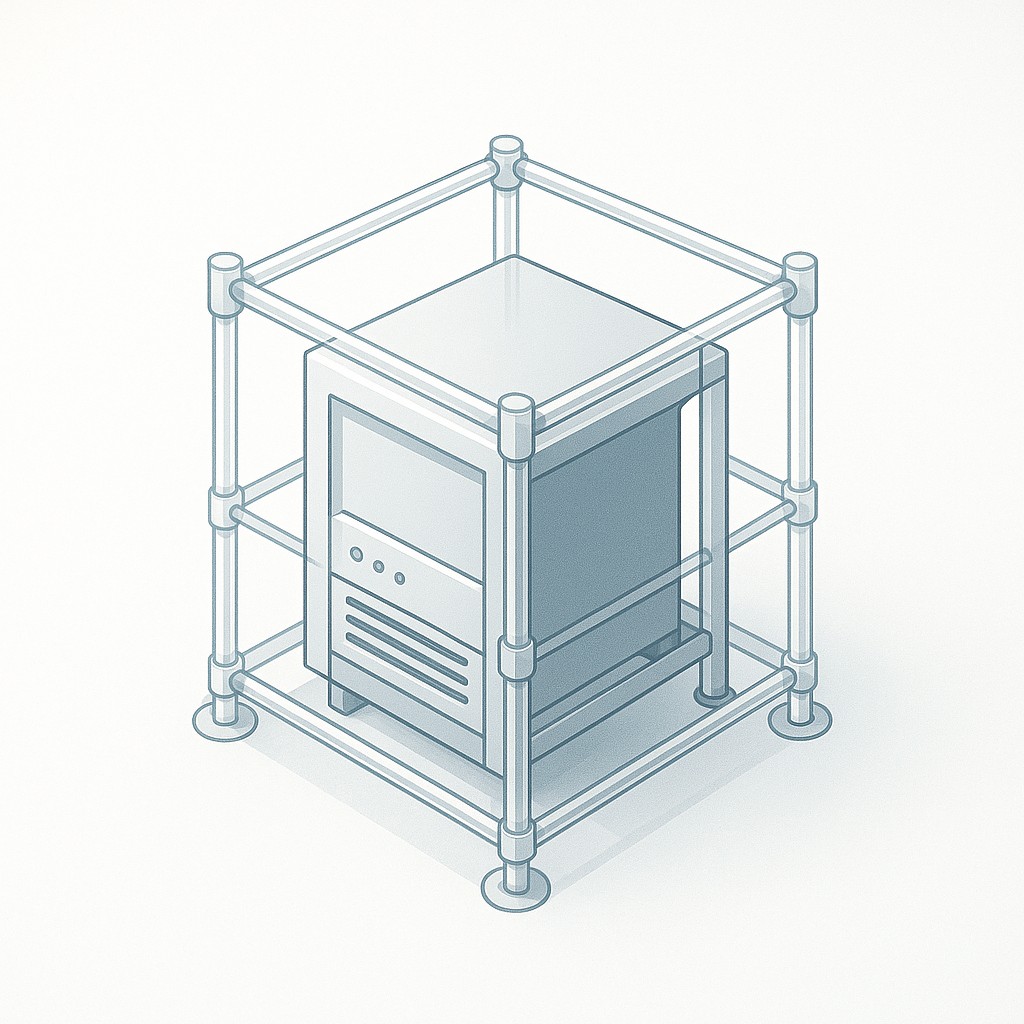
The real shift is simple. Technical credibility with engineers comes from making the work’s scaffolding visible. That means putting your assumptions, constraints, interfaces, and risk boundaries front and center. Sometimes trust is about making the right things visible, at the right altitude, to the right audience. The risk management process is strongest when it actually makes technical objectives, assumptions, constraints, and a description of stakeholders’ perspectives visible in context (SEBoK), which means putting the scaffolding where people can see it. You can’t shortcut this with a good story. You have to lay down the bones before you stretch for outcomes.
When engineers size you up, they’re searching for how you handle constraints, how you talk about interfaces, how you map out dependencies, where you plan for failure. They weren’t judging my story; they were judging my system.
This isn’t just theory. I’ve spent years scoping systems, pitching execs, and leading launches. But getting comfortable toggling perspectives almost guaranteed I’d miss something unless I deliberately calibrate technical depth for the room that mattered.
Last week, I forgot how to shift from executive to engineer, and it cost me. We lost credibility—not in the vision, but in the technical rigor. Momentum fizzled, clarity slipped, and team energy followed. It’s the gap that sneaks in when you assume buy-in without earning it, and I wouldn’t wish that stall on anyone. The fix isn’t harder, just more intentional. You lead with the substance, then tie it up with the story. That’s how you get people building alongside you, instead of watching from the sidelines.
Make the Scaffolding Visible: Build Technical Credibility With Engineers
Before you even think about telling the story, start with the checklist engineers actually care about. Spell out your assumptions, then hit constraints, dependencies, interfaces, fault boundaries, test surfaces, and a real risk plan before you get clever. This isn’t just box-ticking. It’s the bones of your system, the starting point for building trust.
You build immediate credibility by naming the goals and—just as critically—the non-goals that shape your system from the outset (Design Docs at Google), which sets a crisp scaffold. When you walk into that room, don’t just describe what will work. Lay out what won’t—or hasn’t been solved yet. Engineers are searching for these edges; every time you make a hidden constraint explicit, you close the gap between “trust me” and “test me.” Clean interfaces, clear fault boundaries, visible dependencies: this is what actually gives people confidence to move from doubt to detail.
Let’s run that through the Azure migration. What are the actual network paths? Are we splitting traffic across two VNets, and which subnets are impacted? Get granular. Spell out which file shares lift and shift, which ones move to new protocols, and exactly who owns which piece of each transition. “Easy to migrate” is nothing until you show the route table and who’s on call when a mount fails. These are the questions that lived under the surface during my pitch, and the lack of specifics created friction we’re still unwinding.
You have to show where your architecture makes real tradeoffs. Sometimes it’s about taking higher network latency because you’re doubling down on resilience. Sometimes you simplify for cost and give up some redundancy. Spell out—out loud—where you made those calls, and why. This isn’t just about defending a design. It shows you’re mapping the hard edges, not selling fiction.
Test surfaces are where trust gets built in practice. Migrations need rehearsal. Walk through your rollback plan, talk about your data integrity checks, and tie every safety net to the real-world fault boundaries. A fault boundary, in engineering terms, is the set of resources that will fail together from a single incident—the tests you write should connect directly to these recognized failure domains (InfoQ). If you make those connections visible, your credibility goes up fast.
Think of it like showing your recipe, measurements, prep steps, substitutions, before you ever plate the dish. Engineers want to see the prep, not just the finished product. I smile at how much better my woodworking goes when I measure twice and cut once—same principle here. The more visible your process, the easier it is for technical folks to trust you’re not skipping essentials.
Threading System Clarity into Strategy
You want to land a pitch? Lead with technical details, not the story. Lead with clear system details—show the architecture, walk through the constraints, map out the dependencies, and point straight at the fault boundaries. Only once those are visible do you tie the technical threads to outcomes—how this migration hits performance targets, trims operational costs, reduces risk, and tracks to delivery milestones. The story actually lands once your audience sees the system; narrative means more when it’s built on visible substance.
Six months ago, I’d have tried to squeeze all this into a glossy deck. Now, I catch myself leaving extra whiteboard space for unresolved issues—knowing someone in the room won’t buy the whole story until they see those constraints called out.
Worried about time? Don’t be. The minutes you spend grounding your engineering pitch upfront buy you hours in saved cycles later. Framing cuts down back-and-forth, keeping decisions moving instead of stalling in rework purgatory.
Concerned you’ll lose non-technical listeners? Bring dual-layer messaging. First, share the system scaffold—constraints, interfaces, and test surfaces. Then, restate the why. And for every turn, set guardrails: recap points, make space for clarifying questions, and keep everyone aligned to the common outcome.
Let the unknowns show. Confidence looks like naming your fault boundaries and where tests might break. Calling out risk areas doesn’t expose weakness—it signals competence. The strongest pitches say “here’s what could break, and here’s how we’ll catch it.”
That’s the move. Build technical credibility with engineers by making your engineering process visible, tying those specifics directly to business outcomes, and showing where risk lives. Everything else is just noise.
If you’re shipping ideas fast, use our tool to generate clear AI-powered drafts that respect your goals, constraints, and tone, then refine them with your technical specifics.
The Engineering Pitch Playbook: Your Repeatable Structure
Let’s make this actionable. Before you pitch your migration or next system change, do a preflight check. Who’s in the room, and what “altitude” are they operating at—three feet or 30,000? Lay out the system’s boundaries.
Spotlight every architectural constraint and dependency, not just the easy paths, but the rough edges, the handoffs, and the seams. List every interface—internal, external, all the ways data moves. Don’t skip edge cases. Map out not just what’s meant to happen, but what could break (failure modes), where you’ll test your assumptions, and the actual risks—plus who owns each one. Take the time to tag owners to specific risks; otherwise, responsibility evaporates. This checklist is your map for both trust and clarity, and most days, it takes ten minutes to prep (after years of learning it the hard way).
If you want a structure that works under pressure, here’s what I’ve started using (and wish I had during that Azure migration): open with your system map and frame the constraints clearly. Don’t hide the tradeoffs or pretend it’s all greenfield. Walk right through the major dependencies and call out fault boundaries—where, exactly, could failure snowball, and where have you reinforced for isolation? Name your test surfaces—don’t leave people guessing about coverage—and, only after all that, tie these choices to strategic outcomes. “We keep traffic split across these two VNets. Here’s what gets risk and here’s what doesn’t. And by next quarter, we’re positioned to cut downtime by 50%.” Everything hangs together when people see the bones before the vision.
Next time you prep a pitch to platform teams, especially one where technical trust will make or break momentum, start by leading with the scaffolding in the language your engineers already use. The narrative comes second. If I want to earn trust in the room, I’ll show the system first and only then layer the strategy on top. That’s how you bridge the credibility gap.
And if I’m honest, sometimes I still find myself guessing whether the details are enough. I know scaffolding earns trust, but each project has its own blind spots. Maybe it’s just part of the territory.
Enjoyed this post? For more insights on engineering leadership, mindful productivity, and navigating the modern workday, follow me on LinkedIn to stay inspired and join the conversation.