Diagnose SEO Bottlenecks: Master On-Page and Off-Page SEO for Real Results
Diagnose SEO Bottlenecks: Master On-Page and Off-Page SEO for Real Results


When “Perfect” On-Page SEO Isn’t Enough
When I first started writing content, I assumed SEO was a checklist problem. Put in the hours, follow the rules, and the results would eventually show up. I wish I could say that’s how it played out.
I ran through every on-page step I could find. Keywords, check. Meta descriptions rewritten and dialed in. Schema markup everywhere it made sense. RankMath score: green and glowing.
Eventually, Google started indexing everything I published. That was the “good” news. But rankings? Flat as ever.
I remember staring at reports, wondering if I’d missed something obvious. Wasn’t a perfect SEO score supposed to work?
That’s when I realized I needed to diagnose SEO bottlenecks instead of just assuming my SEO efforts were complete.
The Real Limits of On-Page SEO
On-page SEO is fundamentally about what you can control. You tweak site structure, send technical signals, and try to create content that fits your audience and your business goals. It’s a hands-on process, checklist-hard and demanding, but at least every change is yours to make.
That means wrangling a laundry list of details. Optimizing keywords page by page, cleaning up headings, tweaking alt text, adding schema markup so search engines understand your products or services, and yes, chasing those green scores in plugins like RankMath. You spend time making sure every technical box is checked. Redirects set up, image sizes reduced, mobile responsiveness nailed. If you’ve ever obsessively reworked a title or fixed a broken link at midnight, you know the grind.
Once you’ve put in this work, you get real wins—improved indexation, better technical scores, and you start to improve SEO ranking as you become eligible for ranking. The real traction happens when you cover both on-page—like nailing your titles and speeding up your site—and off-page bases, such as earning quality backlinks, since both impact rankings and neglecting either can cost you the results you’re after (Backlinko). But a perfect SEO score doesn’t mean you’ll rank. It just means you’re eligible to compete.
You need that solid foundation or you’re invisible to search engines. If your site isn’t technically sound, not even the best content will get seen.
But here’s where I kept spinning my wheels: you can optimize every pixel, and yet past a certain point, relentless on-page tinkering won’t move the needle anymore. There’s a real risk of wasting weeks chasing marginal gains that won’t solve the ranking problem—because the core limitation isn’t always something you can fix from inside your site.
Why Off-Page SEO Matters More Than You’d Like
This is where the real challenge starts. Off-page SEO isn’t something you can tweak like a headline or headers. It’s about reputation, not just refinement—harder, slower, and never fully under your control. You can push and prod, but at the end of the day, off-page results hinge on who is willing to vouch for you and how the broader world interacts with your brand.
We spend so much time perfecting on-page work—content edits, link structure, technical tweaks—but real-world results are driven by signals you only partly influence. Here’s the uncomfortable truth: most pages never see organic search traffic—91% are stuck in the dark—because without solid backlinks, you simply stay invisible, no matter how good your on-page is. Off-page signals like backlinks, brand searches, and domain authority pile up only through long-term consistency and time. These are earned slowly. You influence them, but you don’t control them. There’s no instant fix, just persistent effort and a willingness to ask others to recognize your value.
On-page gets you in the game. Off-page determines where you finish. You need both, but authority signals are what tip the scales when everyone’s playing by the same on-page rules.
Honestly, this part is where I hit the most walls. Building reputation isn’t just effort; it’s unpredictable, depends on others engaging, and sometimes just comes down to catching a lucky break.
Once, in my first year trying to move the needle on a stubborn client site, I went down a rabbit hole comparing my Ahrefs graph against a competitor. I printed out charts, highlighted domains, even tried tracking down the owners of obscure blogs for links. Eventually, I found myself emailing someone about a guest post at 2 AM, then realized later I’d pitched the wrong language entirely—their site was Polish and, despite Google Translate, I had no idea what I was agreeing to.
That didn’t work, obviously. But after months, it was obvious: no shortcut will ever replace genuine authority-building, and a high backlink count from random sites means nothing if there’s no trust or relevance. You can measure authority signals all you want, but you can’t fake being genuinely valued by others.
Stop Guessing—Diagnose SEO Bottlenecks Holding Your Rankings Back
If you’re frustrated right now, know you’re not alone. Six months ago I was chasing the same invisible threshold, putting in the hours, chasing a dozen SEO fixes, only to watch ranking progress stall out again and again. Sometimes, you do everything right and still feel like you’re spinning your wheels.
Here’s what on-page issues usually look like: technical site errors, spotty indexation, or gaps in your content that leave pages barely visible in Google. Maybe your pages aren’t even showing up for the right brand terms, or crawling and coverage reports come back with warnings.
It’s a different set of signals when your SEO problem is off-page. You might see healthy crawling, good technical reviews, and strong content scores—but your rankings are lagging behind competitors who seem to have weaker sites. That lag is often tied to authority signals: those competitors are getting more external trust, either through backlinks, brand searches, or domain-level reputation.
So how do you figure out which lever actually needs pulling? Here’s a simple checklist I wish I’d had years ago to help identify ranking issues. Run a crawl with tools like Screaming Frog or Sitebulb to check for technical errors, inspect Google Search Console for indexation issues, and review your content coverage—are you targeting the right topics and search intents? Once those boxes are ticked, use Ahrefs or SEMrush to benchmark your site’s backlink profile and authority versus your peers. If you’ve gone through the checklist and still aren’t ranking, the issue probably isn’t your on-page.
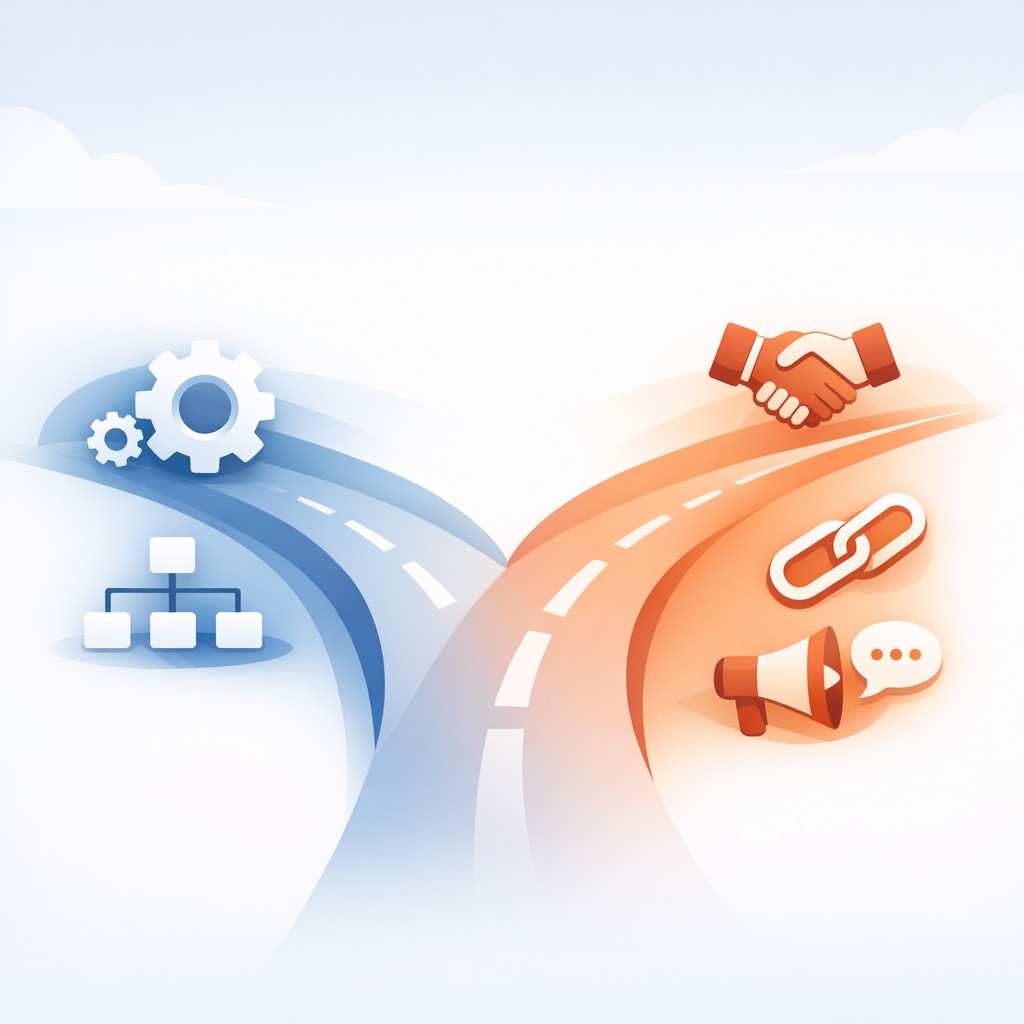
It’s tempting to keep tweaking content or technical fixes just because it feels actionable, but once you know which side of the equation is the bottleneck, you can quit wasting effort on the wrong tasks. If on-page is solid, shift your focus to authority-building and partnerships. If it’s off-page, don’t burn hours on trivial content edits—pivot your energy where it counts and move forward with clarity.
If on-page is solid, shift your focus to authority-building and partnerships. If it’s off-page, don’t burn hours on trivial content edits—pivot your energy where it counts and move forward with clarity.
Solve the Right Problem—Then Double Down
At the end of the day, SEO only rewards clarity of focus, not endless labor. Solving the right problem is what saves your time, your budget, and, if we’re being honest, a fair bit of your sanity.
If you want to quickly share your expertise without the usual writing grind, try Captain AI to generate an article for free and see how effortless content creation can be.
Self-diagnosis isn’t just a first step; it’s the ongoing skill that keeps you from drifting back into guesswork. I still find myself relearning this every few months.
Look at your next five hours. Spend them on the one bottleneck that’s actually stalling your growth, not just on-page tweaks that feel productive but won’t move the needle. Shift your effort once you know whether the issue is technical or authority—the difference shapes your entire approach.
One is within your control, one you earn. Get clarity, and put your effort where it counts.
And even after all these attempts to optimize, there are days when I still find myself fiddling with title tags instead of writing new outreach emails. Old habits die hard.
Enjoyed this post? For more insights on engineering leadership, mindful productivity, and navigating the modern workday, follow me on LinkedIn to stay inspired and join the conversation.